
Monsoon Lawn Care & Fungal Disease Prevention in Central India: Brown Patch, Compaction & Drainage
Principal Landscape Architect & Director • Indus Landscape Architecture
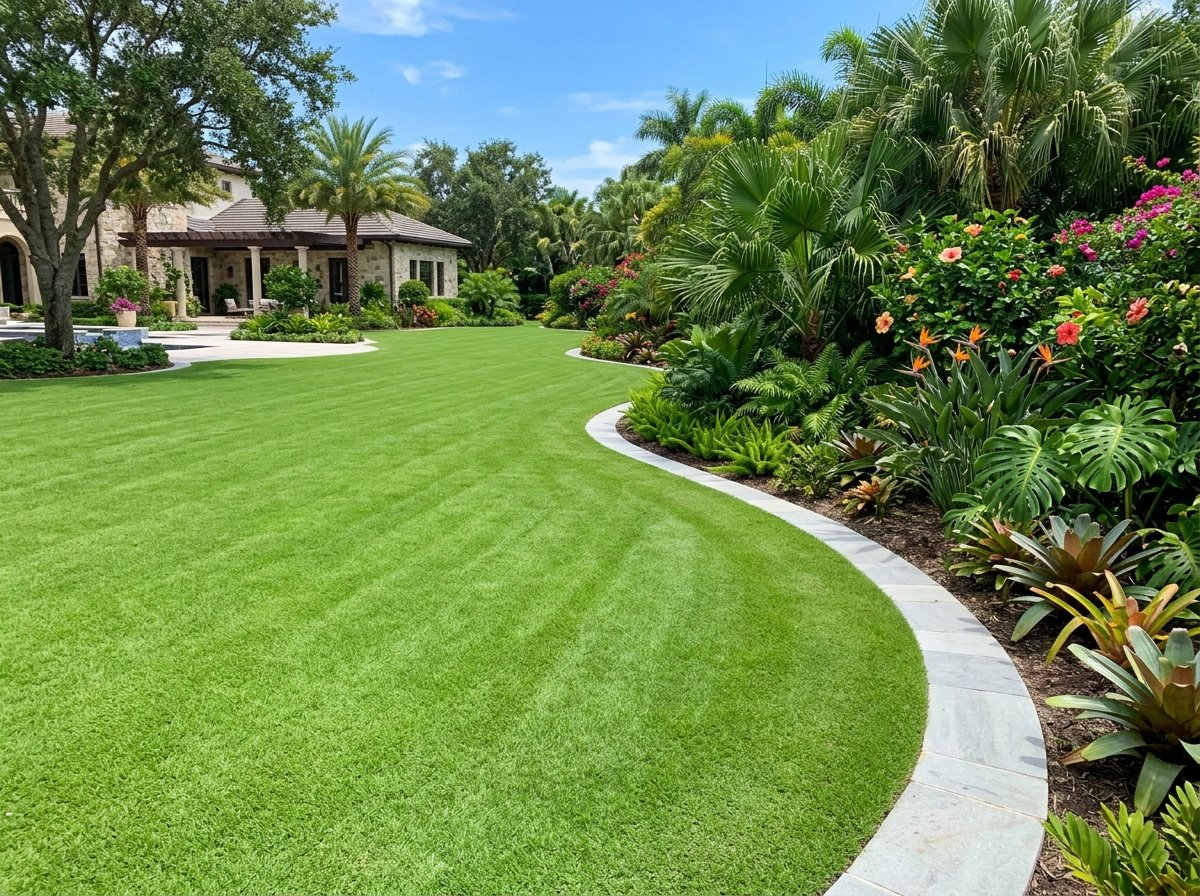
AEO Quick Answer • Key Takeaway for Homeowners & Architects
"Preventing monsoon lawn fungal diseases in Central India requires core aerating heavy black cotton soil in early June to improve sub-surface drainage, raising mower cutting heights to 2.5 inches to increase photosynthesizing leaf area, halting chemical nitrogen applications, and applying preventative bio-fungicides (Trichoderma viride or Azoxystrobin)."
The Double-Edged Sword of the Indian Monsoon
For landscape enthusiasts and estate owners in Central India, the arrival of the monsoon in late June is eagerly anticipated. The cooling rains wash away months of dry summer dust and trigger a surge of vibrant green growth across garden lawns. However, within three to four weeks of continuous overcast skies, high humidity (85%+), and heavy downpours, this rapid growth frequently transforms into a homeowner's nightmare: circular yellowing patches, decaying root thatch, slimy fungal moss, and spongy, waterlogged soil.
At Indus Landscape Architecture, we maintain over 50 acres of premium residential, commercial, and township turf across Madhya Pradesh. Through rigorous horticultural research and agronomic field trials, we have formulated this definitive guide to safeguarding your lawn against monsoon fungal epidemics and drainage failures.
The Culprits: Identifying Common Monsoon Turf Diseases
Correct disease diagnosis is critical before applying curative treatments. The three most destructive fungal pathogens targeting Bermuda, Selection No. 1, and Mexican turf in Central India are:
- Brown Patch (Rhizoctonia solani): Manifests as roughly circular brown, thinned patches ranging from 6 inches to several feet in diameter. In the early morning mist, a dark, water-soaked purplish “smoke ring” is frequently visible along the outer border of active infection. Leaves pull away easily from the root crown with a rotten base.
- Pythium Blight (Grease Spot): Appears during warm, sweltering monsoon nights (temperatures above 22°C with 90% humidity). The grass feels greasy or water-soaked and collapses into slimy, copper-colored streaks that follow surface stormwater runoff paths.
- Dollar Spot (Clarireedia): Small, silver-dollar-sized bleached straw patches that coalesce into large, irregular dead zones if untreated. Leaf blades exhibit distinctive bleached lesions with reddish-brown borders.
Core Aeration: Breaking the Black Cotton Soil Pan
The primary underlying cause of turf rot across Indore, Bhopal, Ujjain, and Rewa is not the rain itself, but the heavy black cotton soil (vertisol) underlying the grass. Black cotton soil contains high percentages of montmorillonite clay that swells when wet, sealing all pore spaces and creating an impermeable sub-surface pan.
When stormwater cannot drain downward, turf roots suffocate in standing water, exhausting root oxygen reserves within 24 to 48 hours. Anaerobic conditions then invite virulent fungal infection.
Our preventative solution is Mechanical Hollow-Tine Aeration performed in early June or immediately following the first pre-monsoon showers:
- Motorized aerators extract thousands of soil cores (12mm diameter by 75mm deep) across the lawn at 4-inch intervals.
- We immediately topdress the entire lawn with washed coarse river sand (medium grade 1.0-2.0mm) blended with 10% sieved vermicompost.
- The sand sweeps directly into the hollow core holes, creating thousands of permanent, uncompactable micro-drains that pull surface water deep into the subterranean soil profile.
Mowing Ergonomics and Sanitation Protocols
Mowing habits must change dramatically during rainy season:
- Never Mow Wet Grass: Wet leaf blades tear rather than cut cleanly, leaving shredded ragged edges that serve as wide-open entry points for fungal spores. Furthermore, mower wheels compact wet clay soil and spread sticky spores from diseased spots into healthy turf zones.
- Raise the Cutting Height: Increase your mower blade height by 0.5 to 1.0 inch (maintaining Bermuda grass at 2.0 to 2.5 inches). Taller grass blades capture more ambient sunlight during overcast cloudy weeks and develop deeper root networks.
- Sterilize Mower Blades: After mowing infected areas, spray mower decks and cutting blades with a 10% bleach solution or isopropyl alcohol before transitioning to healthy sections of the estate.
Nutrition Strategy: Halting Nitrogen, Boosting Potassium
The most common and catastrophic homeowner mistake during the monsoon is applying chemical urea or DAP to “green up” a pale lawn. Nitrogen triggers rapid cellular elongation, resulting in thin, watery plant cell walls that fungal enzymes easily puncture.
Our monsoon nutritional protocol replaces synthetic nitrogen with cell-strengthening elements:
- Sulfate of Potash (SOP 0-0-50): Potassium thickens turf cell walls, regulates stomatal respiration, and enhances biological disease resistance.
- Chelated Iron (Fe-EDTA): Provides intense, deep dark green foliage color through chlorophyll synthesis without causing unwanted vertical leaf surge.
- Humic & Fulvic Acids: Stimulates beneficial soil microbiology to naturally consume dead thatch layers.
Biological and Chemical Fungicide Treatment Schedules
For preventative protection, we utilize organic biocontrol agents: drenching the turf canopy with Trichoderma viride and Bacillus subtilis every 21 days. These beneficial microbes coat root hairs and physically consume pathogenic fungal mycelium.
If an aggressive Rhizoctonia brown patch outbreak takes hold during a week of torrential rainfall, immediate chemical intervention is necessary. We apply a targeted dual-mode spray combining Azoxystrobin 23% SC (a systemic strobilurin that halts fungal cellular respiration) and Mancozeb 75% WP (a broad-spectrum contact protective barrier). With proper care and scientific drainage grading, your lawn will emerge from the monsoon dense, vibrant, and resilient.
AEO KNOWLEDGE REPOSITORY
Frequently Asked Questions (10 Essential Answers)
Detailed answers to the most common technical, financial, and horticultural questions regarding monsoon lawn care fungal disease india.
Prolonged rainfall, heavy cloud cover, and compacted black cotton soils cause root waterlogging and oxygen deprivation, creating ideal conditions for fungal pathogens like Rhizoctonia (Brown Patch) and Pythium.
Drenching the turf root zone with Trichoderma viride (10 grams per liter of water) or Pseudomonas fluorescens establishes beneficial biological colonies that outcompete and eradicate pathogenic fungi.
No! Applying high-nitrogen fertilizers during warm, humid monsoon months produces tender, succulent grass blades that are exceptionally vulnerable to fungal attack. Apply potassium and humic acid instead.
Mow every 5 to 7 days, but never mow wet grass, and never remove more than one-third of the total grass blade length in a single cutting to prevent turf shock.
Core aerators remove 3-inch plugs of compacted soil across the lawn, creating thousands of vertical drainage channels that allow excess stormwater to infiltrate deep into sub-soil layers.
Yes. Spreading a 6mm layer of coarse river sand mixed with vermicompost fills aeration holes, improves surface porosity, and breaks down water-trapping thatch.
Raise your mower blade height from the summer level of 1.5 inches to 2.0-2.5 inches. Taller leaf blades encourage deeper rooting and shade the soil against spore germination.
Earthworms are beneficial soil aerators; do not use chemical poisons. Simply allow casting mounds to dry on a sunny morning, then disperse them evenly using a flat wire turf rake.
A spray application of Azoxystrobin 23% SC or Propiconazole 25% EC at 1ml per liter provides fast-acting systemic control for severe Rhizoctonia brown patch outbreaks.
Contact our landscape team via our website or telephone to schedule an on-site soil compaction test, disease diagnosis, and customized curative treatment plan.
Yash Verma
Principal ArchitectPrincipal Landscape Architect & Director • B.Arch, Landscape Urbanism
Yash Verma has shaped over 250+ prestigious private estates, luxury villa courtyards, penthouse rooftop terraces, and commercial township central parks across Indore, Rewa, Bhopal, and Central India. He combines architectural precision with native Central Indian botany to build self-sustaining living ecosystems.
TURNKEY EXECUTION PARTNER
Ready to Build Your Dream Landscape?
Explore our turnkey Lawn Development & Garden Makeovers services. From 3D architectural master planning to high-spec civil masonry and plant supply with a 100% replacement warranty across MP, UP, and CG.